The available sources document the shop’s history and broad subject areas, but not complete product inventories, prices, exhibitions, menus, or event calendars.
For a practical look at everyday tools, handling, and pantry routines, continue with the kitchen and pantry notes.
A Shop Connected to a Gallery
The documented story began in October 1999 with a shop-and-gallery concept. In November 2005 the business moved into a renovated nineteenth-century downtown building. A contemporary feature described high ceilings, restored original hardwood floors, a first-floor showroom of nearly 7,000 square feet, and a direct connection between shop and gallery. Those details matter because they explain the shop’s character: objects were encountered in a setting designed for looking, lingering, and moving between practical goods and art.
The gallery was not merely background decoration. Historical reporting treated it as an entertainment component and a reason for visitors to return. That relationship is explored further in the gallery and craft record, while the historic interior considers how the building shaped the experience.
The Pleasure of a Mixed Assortment
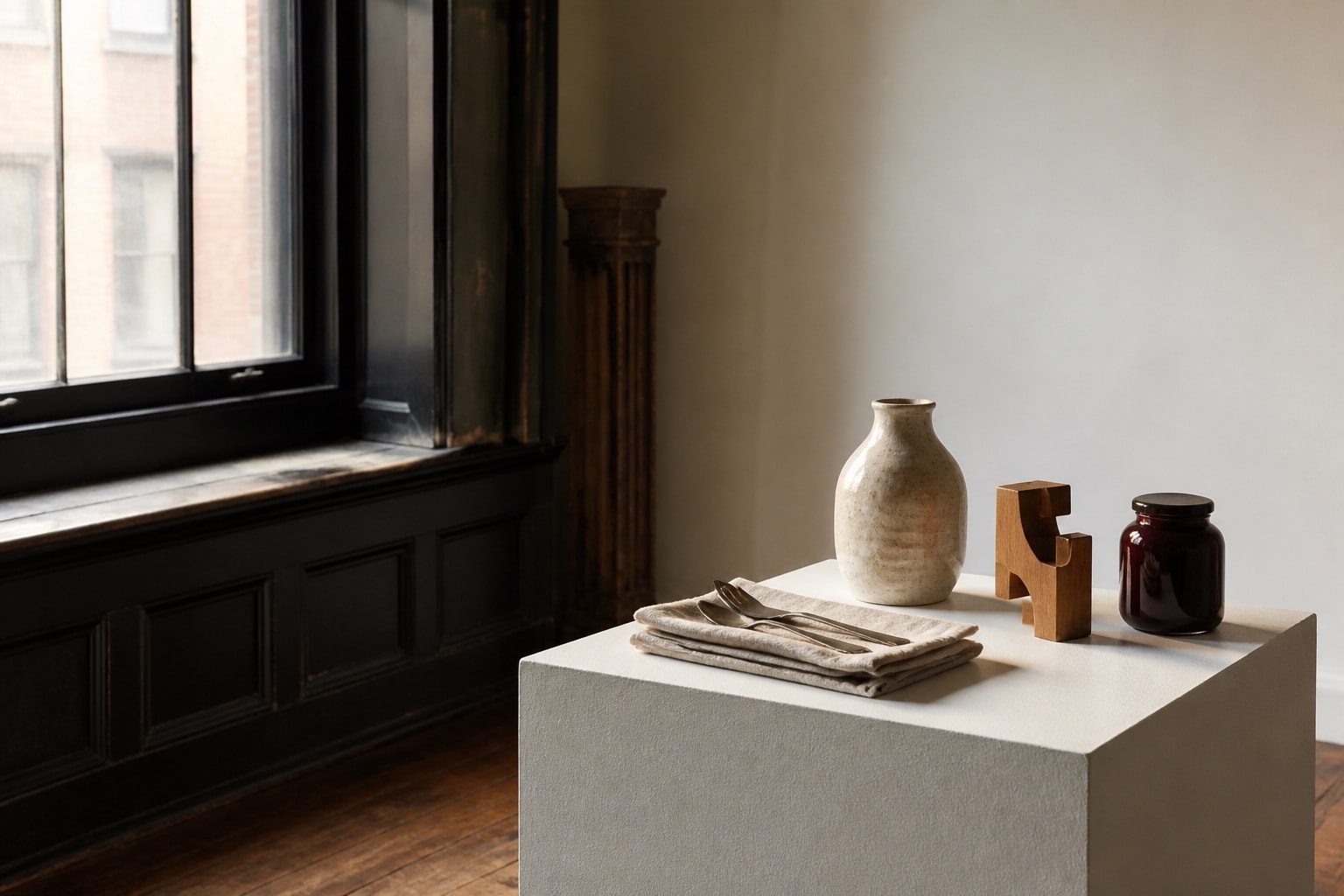
Independent specialty shops often become memorable through adjacency. A table linen can change how a piece of flatware looks; a handworked object can give a practical shelf a sense of personality; a pantry ingredient can suggest a meal rather than simply occupy a jar. The Paula Brown Shop’s documented assortment allowed those connections to happen across categories. It brought together home rituals, gifts, kitchen tools, craft, art, and later hospitality.
The record follows those threads without claiming a complete catalogue. Readers can study tabletop and linen traditions, use the thoughtful gifting guide, or read kitchen and pantry notes. Each page offers durable context rather than claims about what was stocked on a particular date.
Food, Wine, and Gathering
A separately hosted historical publication under the shop name recorded kitchen, pantry, recipe, and wine subjects. Its posts included travel observations from wine regions, selection notes, cookware care, ingredients, and menu context. Those posts reflect the shop’s editorial interests. The wine notes page instead explains a responsible way to read historical tasting language, and the pub and gathering page places the later hospitality program in the past.
About the Shop
The shop closed in 2019 after roughly twenty years, and later reporting consistently described the premises as the former Paula Brown Shop. These pages therefore use past tense for the business and avoid current hours, directions, orders, bookings, and contact details. For broader context on why commercial places can matter to local historical study, the federal introduction to documenting historic places explains how buildings and settings contribute to shared memory.
Begin with the shop history for a concise chronology. Readers interested in how evidence was separated from interpretation can continue to the research notes. The shop's subjects, spatial character and browsing culture reflect a distinctive closed independent business.